2026 Pop Culture Trends: Why Everything Is Sports, Fandom, Nostalgia, AI, and Slightly Unhinged
- Jessica Ramirez

- 6 hours ago
- 8 min read

Explore the biggest pop culture trends of 2026, from sporty fashion and fandom culture to TikTok authenticity, AI entertainment, nostalgia, gaming, music, and streaming habits.
Pop Culture Has Officially Lost the Plot — and That’s the Plot
Pop culture in 2026 is not one neat little trend wearing sunglasses and walking confidently into a marketing deck. No, dear reader, it is a glitter-covered shopping cart rolling downhill, carrying soccer jerseys, fan edits, AI-generated trailers, nostalgic flip phones, country-pop playlists, streaming bundles, and at least one celebrity wearing an outfit designed specifically to become a meme before lunch.
The big story this year is that culture feels more fragmented than ever, but somehow everyone is still participating in the same chaotic group chat. We are living in an era where sports look like fashion, fashion looks like cosplay, fandom looks like religion, and every app thinks it deserves 90 minutes of your day. Naturally, we are calling this “culture” because “collective digital overstimulation with accessories” is harder to put on a billboard.
Sports Are No Longer Just Sports — They’re a Whole Aesthetic
One of the loudest pop culture trends of 2026 is the rise of sports as lifestyle, fashion, and identity. The FIFA World Cup has helped push soccer style into the mainstream, with jerseys, track jackets, retro sneakers, sporty-chic outfits, and “blokecore” looks showing up far beyond actual stadiums. Elle reports that fashion is leaning heavily into World Cup energy, with designers and celebrities mixing athletic pieces with dressier, more expressive styling. Pinterest has also reported major search growth around World Cup jerseys and sporty outfit ideas, which means people are not merely watching the match; they are dressing like they might be called off the bench at any moment.
This is excellent news for anyone who wants to look athletic without experiencing the inconvenience of cardio.
Authenticity Is the New Luxury, Because Apparently We Finally Got Tired of Pretending
The polished influencer era is not dead, exactly, but it is standing in the corner looking nervous. TikTok’s 2026 trend report says audiences are gravitating toward unfiltered stories, behind-the-scenes moments, real people, real processes, and less painfully curated perfection. In other words, people want to see the messy kitchen, the failed attempt, the awkward laugh, the blooper, the “I tried this and it went terribly” energy.
This does not mean the internet has become honest — let us not get carried away like freshmen discovering Nietzsche — but it does mean that overly glossy content is beginning to feel suspicious. The new cool is looking like you did not try too hard, which of course requires tremendous effort.
Fandom Is Basically the New Social Currency
Fandom is no longer something people quietly enjoy in their bedrooms while pretending to be normal in public. It is now one of the main engines of pop culture. Spotify’s 2026 Culture Next report describes Gen Z fans as culture-shapers who build rituals around music, podcasts, artists, and shared moments, with Gen Z making up 35% of Spotify’s audience and spending around two hours a day streaming. Deloitte’s 2026 digital media trends also point to “always-on fandom,” where entertainment companies try to keep audiences engaged between seasons, albums, releases, and events through social content, shopping, exclusive experiences, and community spaces.
Translation: the show is no longer just the show. The show is the memes, the edits, the Discord debates, the merch drop, the reaction videos, and that one person online writing a 47-post theory thread with the confidence of a Supreme Court justice.
Streaming Is Still King, But the Kingdom Has Too Many Passwords
Streaming remains central to pop culture, but the experience has become more complicated than it once was. We used to dream of escaping cable bundles; now we have reinvented them with better branding and more forgotten passwords. Deloitte notes that media and entertainment choices are expanding across streaming video, gaming, social media, music, podcasts, and more, creating a more fragmented entertainment environment. That fragmentation is shaping how people discover shows, follow fandoms, and decide what is worth watching.
The modern viewer is not simply asking, “Is this good?” They are asking, “Which app is it on, is there a free trial, did they cancel it after one season, and will I understand the memes without watching all eight episodes?” A noble intellectual age, truly.
AI Is Everywhere in Entertainment, Even When People Are Mad About It
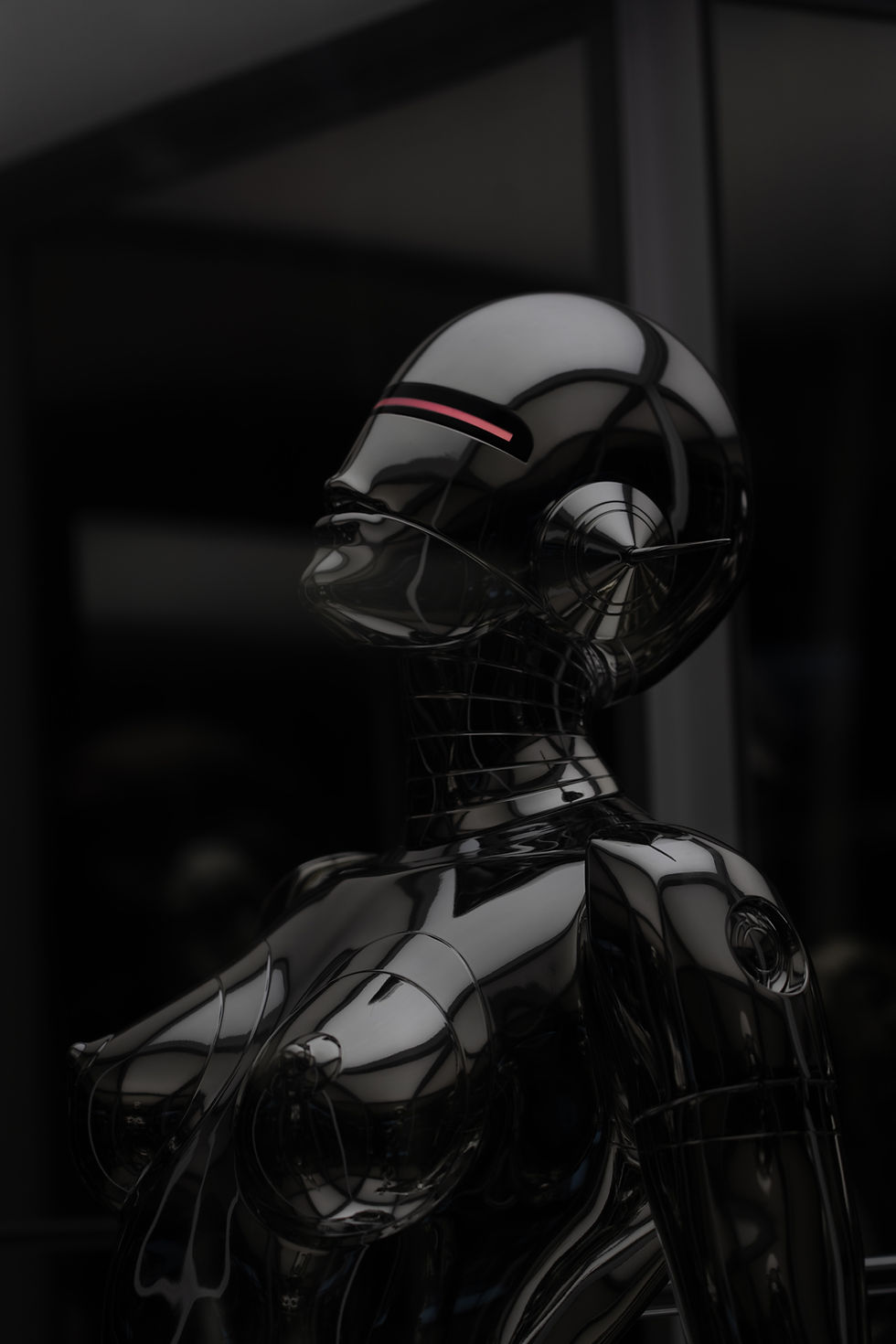
Artificial intelligence continues to hover over entertainment like a mysterious fog machine at a low-budget awards show. AI is influencing recommendations, production workflows, marketing, personalization, and fan engagement, but audiences and creators are also increasingly skeptical of how it is used. The Guardian’s coverage of Summer Game Fest 2026 noted backlash around generative AI in gaming, with studios distancing themselves from it as players became more vocal about authenticity and creative labor.
That tension is important: people are not necessarily rejecting technology, but they are suspicious of entertainment that feels automated, soulless, or assembled by a spreadsheet wearing a director’s hat. The future of AI in pop culture will probably depend on whether it helps artists make better work or simply helps corporations make cheaper slop with better lighting.
Gaming Is Getting Nostalgic, Cinematic, and Weird Again
Gaming culture in 2026 is having a fascinating moment. According to The Guardian’s Summer Game Fest analysis, single-player epics are making a comeback, horror is everywhere, Y2K nostalgia is surging, classic franchises are being revived, and Chinese action games are gaining more global attention. This is a refreshing shift after years of live-service games trying to turn every player into a subscription-based hamster on a battle-pass wheel.
The renewed interest in big single-player experiences suggests audiences still want stories, worlds, characters, and emotional investment — not just a rotating item shop demanding $19.99 for digital trousers. Meanwhile, horror and retro revivals prove that nothing says “future of entertainment” quite like being chased by monsters from your childhood in 4K.
Nostalgia Is Not Dead; It Has Simply Upgraded Its Wardrobe
Nostalgia remains one of pop culture’s most reliable fuels, but in 2026 it is not just about copying the past. It is about remixing it. Y2K references, retro gaming, old-school sportswear, analog hobbies, mini collectibles, vinyl culture, early-internet aesthetics, and throwback fashion are being repackaged for modern platforms. Spotify’s 2025 music trends recap noted that pop, K-pop, country, cross-genre collaborations, live events, and social momentum shaped what broke through, while gaming coverage shows classic titles and retro energy resurfacing in 2026.
The result is a culture that constantly raids its own attic, finds something embarrassing from 2003, and declares it visionary. And honestly? Sometimes it is.
Fashion Is More Personal, More Playful, and Less Interested in Behaving
Fashion trends in 2026 are leaning toward personality, self-expression, and joyful weirdness. Pinterest Predicts 2026 highlights themes like nonconformity, self-preservation, escapism, circus-inspired décor, bold stripes, sculptural silhouettes, and expressive aesthetics. In fashion and lifestyle, this wider mood shows up as sporty styling, maximalist details, playful color, lace, retro references, and outfits that seem to say, “Yes, I dressed myself, and yes, I had a storyline.”
The old minimalist uniform has not vanished, but it is being challenged by people who want clothes and spaces with more emotion, more humor, and more evidence that a human being lives there. Beige had a long run. Beige should drink water and rest.
Music Is Global, Genre-Blended, and Built for Rituals
Music culture is increasingly global and genre-fluid. Pop, K-pop, country, Latin sounds, Afrobeats influences, cross-genre collaborations, and live-event momentum are all shaping what people listen to and share. Spotify’s reporting on 2025 music trends pointed to surges in pop, K-pop, and country, along with cross-genre collaborations and the role of social momentum in helping songs break through.
In 2026, the important thing is not just what people listen to, but how they gather around it: playlists, fan edits, concert clips, lyric breakdowns, artist lore, dance trends, and highly emotional comment sections where strangers behave like they personally negotiated the bridge of the song.
Celebrities Are Now Content Machines With Better Shoes
Celebrity culture in 2026 is less about distant glamour and more about constant circulation. A celebrity outfit, courtside appearance, podcast quote, tour clip, airport look, or oddly specific facial expression can become an entire content cycle within hours. The modern celebrity does not merely attend an event; they generate screenshots, reaction posts, fashion breakdowns, fan theories, and brand opportunities.
This is why today’s celebrity styling often seems engineered for instant recognition. It must look good in professional photos, fan videos, TikTok edits, meme templates, and possibly a blurry screenshot taken from the back row by someone named Kayla. Fame has always been performance, of course, but now the stage is vertical, algorithmic, and open 24 hours a day.
Internet Culture Is Moving Toward Community, But Still Loves Chaos
The internet in 2026 is caught between two impulses: people want meaningful community, but they also want absurdity. TikTok’s trend report points toward honesty, shared experience, and grounding after years of “delulu” humor and disengagement, while broader digital media research shows entertainment brands trying to build deeper fan ecosystems. At the same time, bizarre micro-trends, niche jokes, and hyper-specific memes still spread because the internet remains, at heart, a haunted carnival operated by people with ring lights.
This combination explains why a sincere mental health conversation, a World Cup outfit post, a celebrity conspiracy theory, and a video of someone ranking fictional owls by emotional maturity can all coexist on the same feed.
The biggest lesson from current pop culture is that audiences want participation, not passive consumption. They want to watch, remix, comment, dress up, argue, stream, meme, attend, collect, and belong. Sports are becoming fashion. Fandom is becoming infrastructure. AI is becoming unavoidable but controversial. Nostalgia is becoming a design language. Streaming is becoming more fragmented. Gaming is rediscovering story and spectacle. Music is becoming more global and more ritual-driven. And through it all, people are trying to feel connected in a culture that changes faster than anyone can reasonably explain without needing a second coffee.
Pop culture in 2026 is messy, funny, emotional, commercial, creative, exhausting, and occasionally brilliant — which is to say, it is doing exactly what pop culture has always done, only now with better sneakers and worse attention spans.
Watch the Trends Instead of Just Reading About Them
Ready to stream the shows, movies, music, and entertainment everyone is talking about? Start watching here:
Stay tuned for updates and more in-depth coverage of your favorite celebrities and entertainment news! Create a free membership account with us today!
Dia'ani TV | Stream. Enjoy. Repeat.
References
TikTok Business. “TikTok Next 2026 Trend Report: Top Trends & Forecast.”
Pinterest Newsroom. “Pinterest Predicts: Nonconformity, Self-Preservation, and Escapism Drive 21 Trends for 2026.”
Pinterest Business. “Pinterest Predicts 2026 Is Here.”
Spotify Advertising. “Culture Next 2026: The Fan Edit.”
Spotify Newsroom. “These Music Trends Took 2025 in Surprising New Directions.”
Deloitte Insights. “2026 Digital Media Trends: Capturing Always-On Fandom Between Releases and Seasons.”
Elle. “Fashion Has Officially Caught FIFA Fever.”
The Guardian. “AI Backlash, Single-Player Epics and Y2K Nostalgia: Eight Trends from Summer Game Fest.”
2026 pop culture trends, current pop culture trends, latest entertainment trends, TikTok trends 2026, Gen Z pop culture, fandom culture, streaming trends 2026, sports fashion trend, World Cup fashion, AI in entertainment, nostalgia trends, gaming trends 2026, music trends 2026, internet culture trends, celebrity fashion trends, social media trends, what is trending in pop culture, popular culture in 2026, entertainment industry trends, youth culture trends



Comments