Commercial Modeling vs. Editorial Modeling: What’s the Difference, Where Did They Come From, and Why Does Everyone Act So Serious About It?
- Jessica Ramirez

- May 6
- 10 min read

Learn the difference between commercial modeling and editorial modeling, including their origins, style, purpose, casting expectations, and how aspiring models can find auditions and casting calls.
The Big Modeling Question: Are We Selling Sneakers, Telling a Fashion Story, or Celebrating the Human Body?
Modeling is not just one thing. That would be far too convenient, and the fashion industry would simply never allow it. At its most basic, commercial modeling is about selling a product, service, or lifestyle. Editorial modeling is about telling a visual story, usually through fashion, mood, and creative direction. Then there is editorial boudoir, which blends artistic portraiture, fashion styling, intimacy, confidence, and sometimes tasteful nudity into a body-positive visual narrative. Commercial modeling sells the product. Editorial modeling sells the idea. Editorial boudoir celebrates the person, the body, the mood, and occasionally the fact that a robe can be doing absolutely no practical work and still deserve a round of applause.
What Is General or Commercial Modeling?
General modeling, often called commercial modeling, is the broad, practical, brand-friendly side of the modeling world. This includes advertisements, catalogs, e-commerce shoots, lifestyle campaigns, beauty ads, fitness promotions, hospitality campaigns, product packaging, corporate media, and commercials. The goal is usually clear: make the audience want the product, trust the brand, or imagine themselves in that lifestyle. A commercial model might be smiling in a skincare ad, wearing resort clothing by a pool, holding a phone, laughing over coffee, or pretending that online banking has brought them spiritual enlightenment. Commercial modeling is usually relatable, approachable, and designed for everyday consumers.
What Is Editorial Modeling?
Editorial modeling is the more fashion-driven, magazine-style side of modeling. Instead of simply selling a product, editorial modeling tells a story or expresses a creative concept. It is the world of dramatic poses, bold styling, unusual makeup, designer clothing, striking locations, and facial expressions that say, “I know something about Milan that you do not.” Editorial modeling is commonly associated with fashion magazines, designer campaigns, art photography, and high-concept creative shoots. The model is not just wearing clothes; the model is helping create a mood, a character, or a visual statement. Naturally, everyone involved will say “vision” at least seven times.
What Is Editorial Boudoir Modeling?
Editorial boudoir modeling is where fashion editorial meets intimate portraiture. It borrows the storytelling and styling of editorial photography but brings in the softness, sensuality, vulnerability, and confidence of boudoir. This can include lingerie, robes, sheets, oversized shirts, sheer fabrics, implied nudity, or tasteful artistic nudity. The point is not to objectify the model. The point is to create images that feel empowered, elegant, expressive, and personal. Editorial boudoir can be romantic, moody, glamorous, minimalist, vintage, cinematic, soft, dramatic, or proudly body-positive. It says, “This body belongs here,” which, frankly, should not be a revolutionary statement, but here we are.

Body-Positive Nudity: What It Means and What It Does Not Mean
Body-positive nudity in editorial boudoir is about respect, consent, representation, and artistic intention. It is not about shock value, exploitation, or making someone uncomfortable for the sake of a photograph. A body-positive nude or implied nude shoot should celebrate different body types, ages, shapes, skin textures, scars, stretch marks, curves, softness, muscle, asymmetry, disability, gender expression, and real human variation. In other words, actual bodies, not the suspiciously poreless aliens often produced by overzealous retouching. Tasteful nudity in this context is usually styled, lit, posed, and framed in a way that emphasizes dignity, confidence, and artistry rather than explicitness.
The Main Difference: Commercial Sells Products, Editorial Sells Ideas, Editorial Boudoir Sells Confidence
The easiest way to separate the categories is by purpose. Commercial modeling is usually direct. The client wants the audience to notice the product and think, “Yes, I need that jacket, lotion, hotel room, or suspiciously perfect smoothie.” Editorial modeling is more conceptual. It wants the audience to feel something about fashion, beauty, culture, identity, or style. Editorial boudoir goes even more personal. It often asks the viewer to see the body as art, not as a flaw-management project. Commercial modeling says, “Buy this.” Editorial modeling says, “Feel this.” Editorial boudoir says, “Look at this person existing with confidence, and please stop acting like shoulders are controversial.”
The Look: Relatable, High-Fashion, or Intimate and Empowered
Commercial modeling usually favors looks that are accessible and believable for a specific audience. Editorial modeling often favors dramatic, stylized, or visually distinctive features. Editorial boudoir can be much more flexible because the focus is not one narrow beauty standard. A strong editorial boudoir model does not need to look like a runway sample size mannequin who learned to smolder. They need comfort with their body, emotional presence, trust in the creative process, and the ability to express mood through posture, gaze, hands, breath, and stillness. That sounds simple until someone asks you to “look relaxed” while twelve people adjust lighting and a silk sheet betrays you.
The Role of Consent in Editorial Boudoir
Consent is not a tiny footnote in boudoir modeling. It is the entire table of contents. Every editorial boudoir shoot should have clear expectations before the camera ever comes out. Models should know the concept, wardrobe level, nudity level, usage rights, publication plans, compensation, editing style, and who will be present on set. A professional shoot should allow boundaries to be discussed clearly and respected completely. “Implied nude” does not mean “surprise, now do more.” “Tasteful nude” does not mean “the photographer gets to improvise your comfort level.” And “editorial” is not a magic word that makes bad behavior artistic. How tedious that this even needs saying, but it does.
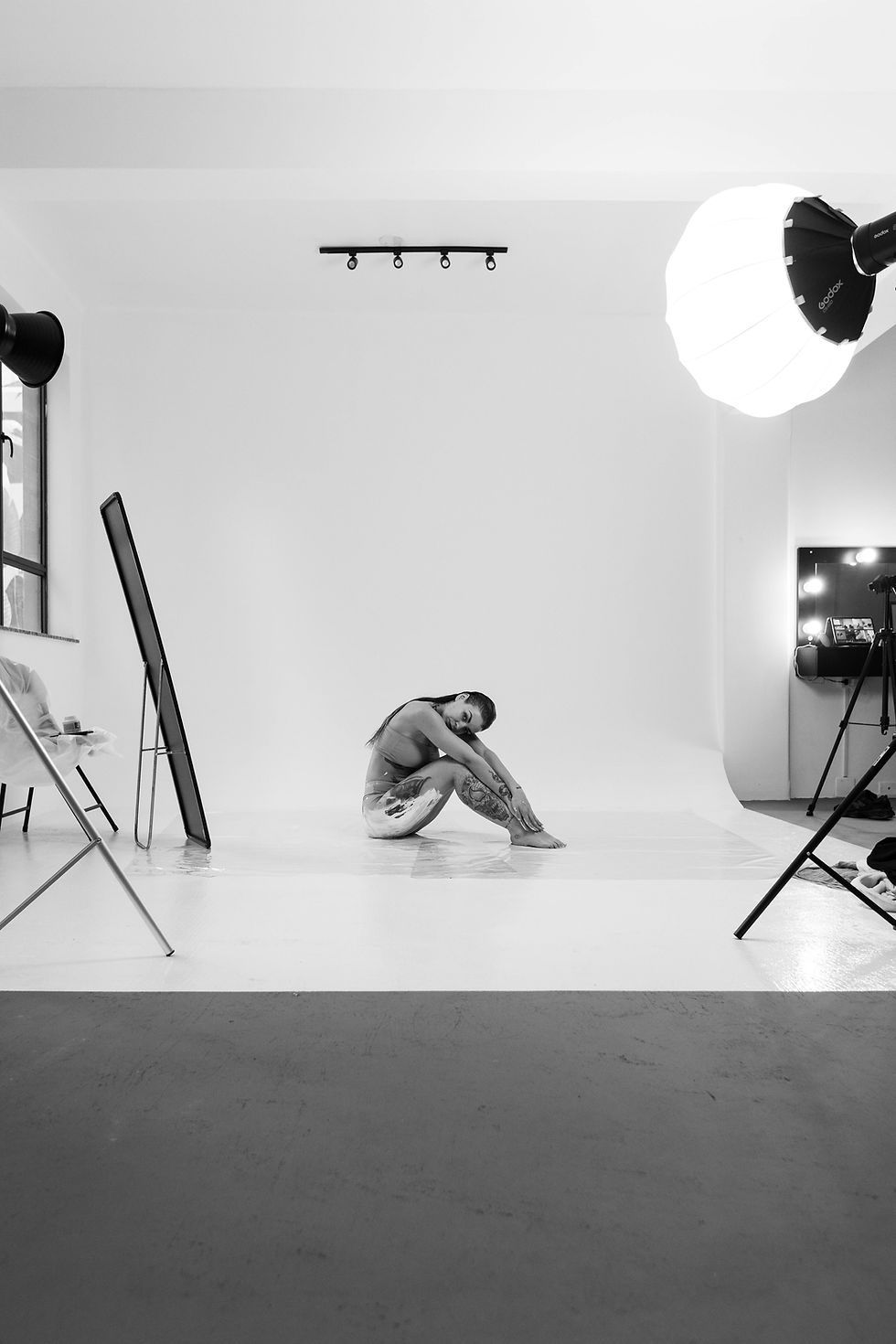
Commercial Modeling Work: Friendly, Clear, and Brand-Focused
On a commercial set, models are often directed to look natural, warm, happy, trustworthy, energetic, or relaxed. The work may include smiling, walking, interacting with products, posing with other talent, or repeating the same small action until everyone pretends it still feels spontaneous. Commercial modeling is common in Miami because the city has strong markets for swimwear, fitness, beauty, wellness, tourism, nightlife, luxury lifestyle, hospitality, and multicultural advertising. A commercial model in Miami might work on a resort campaign, a beachwear shoot, a skincare ad, a restaurant promotion, or a fitness brand shoot. It is practical work, and practical work pays bills, which remains a charmingly useful feature.
Editorial Modeling Work: Mood, Drama, and Fashion Storytelling
Editorial modeling is about creating images with atmosphere. A model might be styled in designer clothing, experimental makeup, bold accessories, or dramatic hair. The poses may be less “catalog smile” and more “art museum statue after a complicated breakup.” Editorial work may appear in fashion magazines, online publications, lookbooks, designer campaigns, or creative portfolios. It can help models build credibility and range because it shows that they can do more than simply stand there and be genetically fortunate. Editorial modeling rewards body control, facial expression, creative collaboration, and the ability to understand the difference between “dramatic” and “I just smelled something alarming.”
Editorial Boudoir Work: Soft Power, Sensuality, and Visual Honesty
Editorial boudoir modeling often involves quieter, more intimate performance. The model may pose in lingerie, a bodysuit, a robe, denim, sheets, sheer clothing, or nothing at all, depending on the concept and agreed boundaries. The styling may be elegant, raw, glamorous, vintage, cinematic, or minimalist. The emotional tone can range from romantic to fierce, vulnerable to luxurious, playful to deeply personal. Unlike traditional glamour photography, editorial boudoir tends to lean more artistic and story-driven. The body is part of the composition, but so are light, shadow, texture, expression, and mood. Yes, even a collarbone can have narrative structure. Do not argue with art people; they have scarves.
The Money: Commercial Often Pays Better, Editorial Builds Prestige, Boudoir Depends on Usage
Commercial modeling often pays well because brands use the images to advertise products and services. Editorial modeling can sometimes pay less, especially magazine work, but it may build portfolio value, visibility, and fashion credibility. Editorial boudoir varies widely. Some boudoir modeling jobs are paid creative shoots, some are fine-art or publication projects, some are brand campaigns for lingerie or beauty, and some are personal commissions. Pay depends on usage, nudity level, distribution, experience, client type, and whether the images are being used commercially. A tasteful nude image used in a major campaign should not be compensated like someone casually borrowed your elbow for a student project.

Where Did Editorial Modeling Come From?
Editorial modeling grew out of fashion publishing, portrait photography, and magazine culture. Fashion photography has roots in nineteenth-century portraiture, when fashionable sitters, actresses, dancers, and social figures posed for photographers. As fashion magazines developed, they became tastemakers, using images not only to show clothing but to create desire, status, identity, and fantasy. Publications such as Harper’s Bazaar and Vogue helped shape the visual language of fashion. Over time, models became more than people wearing clothes. They became part of the story, the mood, and the artistic message. Thus, the editorial model was born, probably already standing in profile near a window.
Where Did Boudoir Photography Come From?
Boudoir photography takes its name from the French word boudoir, referring to a woman’s private sitting room or dressing room. Historically, boudoir imagery was connected to intimacy, femininity, privacy, glamour, and portraiture. Over time, boudoir photography evolved from private, romantic portraiture into a wider genre that includes bridal boudoir, glamour boudoir, fine-art nude photography, personal empowerment sessions, and editorial-style creative shoots. Modern editorial boudoir is less about hiding in a private room and more about choosing how one’s body is represented. It is not simply “sexy photos.” It is styling, confidence, identity, authorship, and the radical notion that bodies do not require apology.
How Body Positivity Changed Boudoir and Modeling
Body positivity changed the conversation by challenging narrow beauty standards and pushing for more inclusive representation. In modeling and boudoir, this means seeing beauty beyond one size, one age, one skin tone, one gender expression, or one idealized body type. Body-positive editorial boudoir can include stretch marks, scars, curves, softness, athletic bodies, disabled bodies, mature bodies, postpartum bodies, trans and nonbinary bodies, and bodies that have simply had the audacity to live actual lives. The goal is not to pretend everyone feels confident every second. The goal is to create space where confidence, vulnerability, and self-acceptance can exist without being airbrushed into oblivion.
Nudity in Editorial Boudoir: Tasteful, Artistic, and Boundaried
Nudity in editorial boudoir should be intentional. Sometimes full nudity is not needed at all; implied nudity can be just as powerful. A shoulder, back, silhouette, hand placement, sheet, shadow, or cropped composition can communicate intimacy without being explicit. When full nudity is part of the concept, it should be handled professionally, respectfully, and with clear usage agreements. The model should always know where the images will appear, who will see them, whether they can approve final selections, and how the images may be licensed. This is not prudishness. This is professionalism. Even art requires paperwork, darling.

Portfolio Tips for Commercial, Editorial, and Editorial Boudoir Models
A model who wants commercial work should include clean headshots, smiling lifestyle images, full-body shots, and simple digitals. A model who wants editorial work should show stronger posing, fashion styling, creative expression, and variety. A model interested in editorial boudoir should include tasteful, carefully chosen images that reflect their comfort level and desired niche. This could mean lingerie, implied nude, fine-art nude, or body-positive portraiture. The portfolio should feel intentional, not like someone panicked in a hotel room with a ring light. Quality matters. Boundaries matter. Styling matters. And for the love of clean composition, remove the laundry from the background.
Safety Tips for Editorial Boudoir Models
Before accepting editorial boudoir or nude modeling work, models should review the photographer, client, mood board, release forms, compensation, usage rights, and nudity expectations. Bring a trusted escort if appropriate and allowed, especially for private shoots. Confirm whether the set is closed, who will be present, and how images will be stored or shared. Never feel pressured to increase nudity level during a shoot. A professional will respect boundaries. An amateur with a camera and a suspiciously vague “vision” may not. Choose wisely. Your comfort is not an obstacle to the art; it is part of the art being done correctly.
None of these categories is “better.” That question is beneath us, but let us answer it anyway. Commercial modeling can offer steady paid opportunities and broad casting options. Editorial modeling can build prestige, artistic range, and fashion credibility.
Editorial boudoir can create powerful, intimate, body-positive work that celebrates confidence and individuality. Many models do more than one type. A model can shoot a skincare campaign, appear in a fashion editorial, and create a tasteful boudoir portfolio without needing to pick one identity forever. The smartest models learn their strengths, respect their boundaries, and build a portfolio that reflects the work they actually want.
Why Miami Is a Strong Market for These Modeling Styles
Miami is a strong market for commercial, lifestyle, swimwear, fitness, beauty, hospitality, and entertainment-related modeling. It also has a natural visual connection to beach culture, resort fashion, nightlife, luxury branding, and diverse body representation. That makes it a useful city for models interested in both commercial and more editorial work. Editorial boudoir can also fit into Miami’s creative scene, especially for body-positive campaigns, lingerie brands, wellness shoots, fine-art photography, and personal branding. In other words, Miami gives models options. It also gives everyone humidity, but apparently we are choosing to focus on the positives.
Commercial modeling, editorial modeling, and editorial boudoir all belong to the larger modeling world, but each has a different purpose. Commercial modeling is brand-focused and practical. Editorial modeling is creative and fashion-driven. Editorial boudoir is intimate, artistic, body-positive, and often centered on confidence, sensuality, and self-expression. Tasteful nudity can absolutely belong in editorial boudoir when it is consensual, professional, respectful, and intentional. The best work does not objectify the model. It collaborates with them. It gives the body dignity, style, and presence. A radical concept, evidently, but a necessary one.
Ready to Find Modeling, Acting, and Creative Opportunities in Miami or Near You?
Looking for real casting opportunities, modeling calls, auditions, and creative work in South Florida? Browse the latest opportunities here:
References
Victoria and Albert Museum. “100 Years of Fashion Photography.”https://www.vam.ac.uk/articles/100-years-of-fashion-photography
Encyclopaedia Britannica. “Vogue | Magazine, History, Fashion, & Culture.”https://www.britannica.com/topic/Vogue-American-magazine
Vogue. “About Us: Vogue, A History.”https://www.vogue.com/about-us
Harper’s Bazaar. “150 Years of Harper’s Bazaar.”https://www.harpersbazaar.com/culture/features/a18658/history-of-harpers-bazaar/
Condé Nast. “A History of Condé Nast.”https://www.condenast.com/timeline
National Portrait Gallery. “Fashion Photography and Portraiture.”https://www.npg.org.uk/
The Body Positive. “About Body Positivity and Self-Acceptance.”https://thebodypositive.org/
commercial modeling, editorial modeling, editorial boudoir, boudoir modeling, boudoir photography, nude modeling, artistic nude modeling, tasteful nude modeling, implied nude modeling, fine art nude photography, body-positive nude modeling, body-positive boudoir photography, boudoir casting calls, nude modeling casting calls, editorial nude photography, editorial boudoir photography, lingerie modeling, lingerie photoshoot, body-positive modeling, body-positive nudity, sensual portrait photography, intimate portrait photography, glamour modeling, fashion modeling, modeling auditions, modeling casting calls, Miami modeling auditions, Miami casting calls, casting calls in Miami, modeling jobs in Miami, auditions in Miami, Miami boudoir photography, Miami boudoir modeling, Miami nude modeling, Miami lingerie modeling, South Florida modeling jobs, Florida modeling auditions, Florida casting calls, nationwide casting calls, national modeling auditions, modeling auditions near me, casting calls near me, boudoir modeling near me, nude modeling auditions near me, editorial modeling auditions, commercial modeling auditions, remote casting calls, travel modeling jobs, destination modeling shoots, casting calls beyond Miami, modeling opportunities beyond Miami, modeling auditions in Miami and beyond, commercial model vs editorial model, editorial model vs boudoir model, types of modeling, how to become a model, how to become a boudoir model, how to become a nude model, what is editorial modeling, what is commercial modeling, what is editorial boudoir, what is nude modeling, what is implied nude modeling, what is tasteful nude modeling, difference between commercial editorial and boudoir modeling, difference between boudoir and nude modeling, modeling portfolio tips, boudoir modeling portfolio, nude modeling portfolio, body-positive model portfolio, fashion modeling origins, boudoir photography origins


Comments